by admin | Feb 23, 2018 | dog behavior, dog training, dogs, foster dog, puppy training, rescue dog
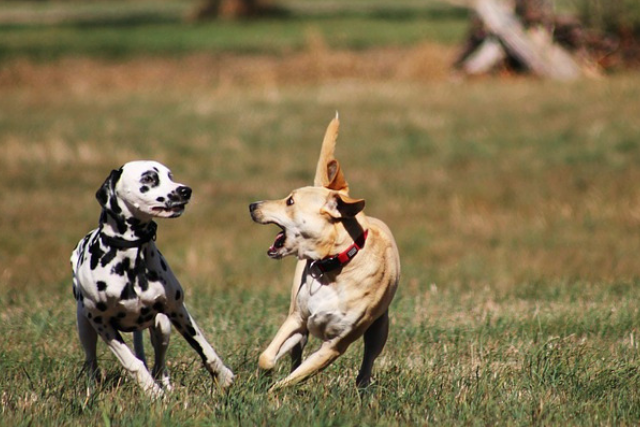
Why Do Dogs Fight? Why Do Dogs Fight? When analyzed, all aggressive dogs face a stimulus that results in the unfavorable behavior of aggression. For some, that stimulus can be other dogs. Signs of aggression could include, but are not limited to growling, snapping or...
by admin | Jul 14, 2016 | dog behavior, dog training, dogs, foster dog, puppy training, rescue dog
Dogs Need Mental Stimulation – Dallas Dog Training Blog Most people know that dogs need plenty of physical exercise and that some breeds, especially working breeds, require constant physical exercise in order to stay healthy. However, I often work with dogs that...
by admin | May 24, 2016 | dog behavior, dog training, dogs, foster dog, puppy training, rescue dog
Fort Worth Dog Training Blog – Why we train all the dogs in the household! You may have more than one dog, but only one of them seems to have any real behavioral issues. It would seem logical to just focus on training the dog with problems but what you may not...
by admin | Jan 22, 2016 | dog behavior, dog training, dogs, foster dog, puppy training, rescue dog
Training Dogs and Their People – Fort Worth Dog Training Blog When people learn and enroll themselves and their dogs in my Fort Worth dog training programs, they soon find out that while plenty of dog training takes place, a huge portion of the protocol is also...
by admin | Nov 4, 2015 | dog behavior, dog training, dogs, foster dog, puppy training, rescue dog
Mila: Excessive Barking Case Study – Dog Training Fort Worth People aren’t surprised if their dog likes to bark. It’s a form of communication for dogs, and I’ve even met dog owners that are almost perturbed if their dog doesn’t bark. Many...
by admin | Aug 27, 2015 | dog behavior, dog training, dogs, foster dog, puppy training, rescue dog
The Importance of Basic Obedience – Dog Training Fort Worth Blog Basic obedience training is essential to all of our training programs. It goes hand-in-hand with proper leash handling techniques. These are the only two training methods that will be a consistent...